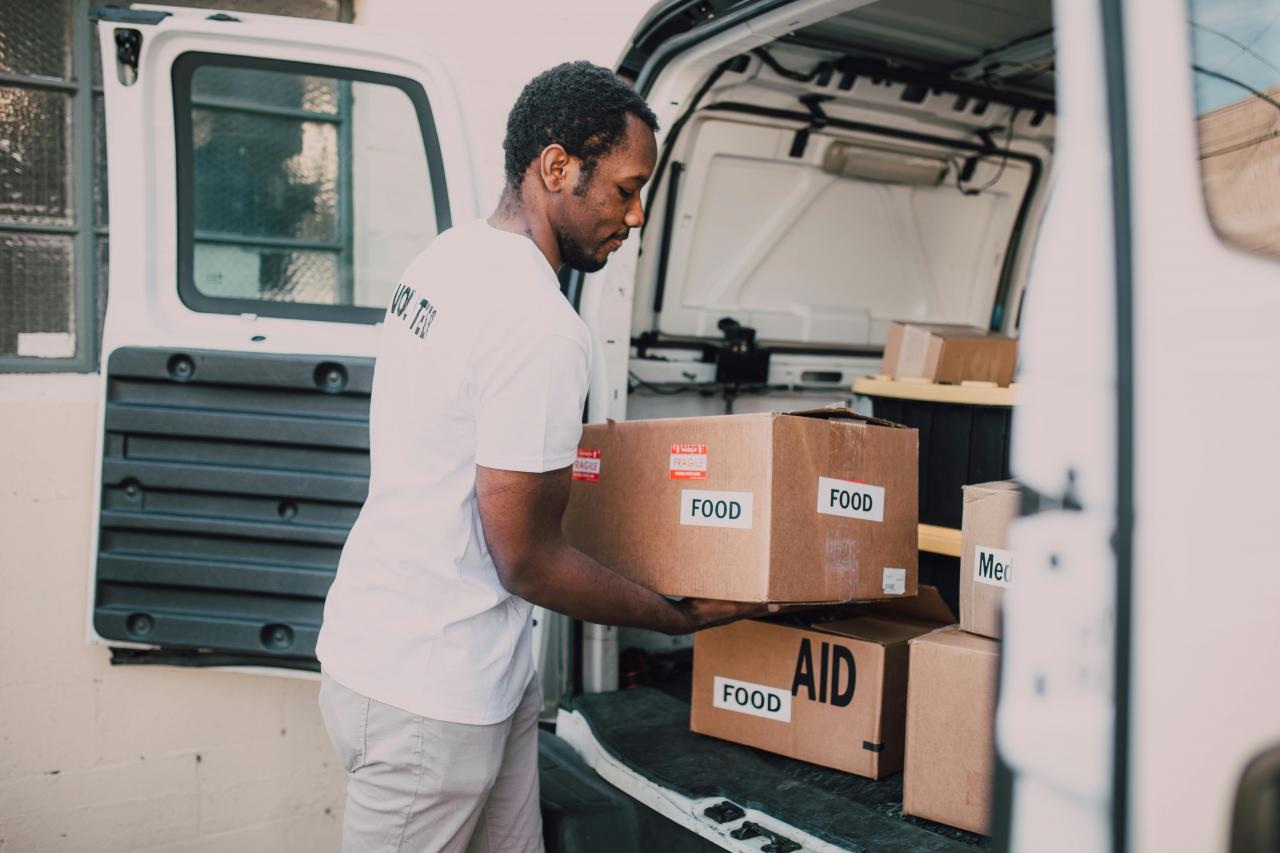
At a Glance
Connecting your corporate social responsibility initiatives with your learning strategies offers a powerful way to retain talent and build essential soft skills. This article explores how to design volunteering campaigns that drive measurable professional growth while supporting your community. You will discover practical frameworks for tracking skill acquisition and see how digital tools like KindLink facilitate this dual impact. Book a demo to explore our corporate volunteering platform.
The Missed Opportunity in Professional Growth
Your Learning and Development (L&D) budget is likely under immense pressure to deliver tangible returns, yet traditional classroom training often fails to build the resilient, adaptive leadership skills your business needs. You might be pouring resources into seminars that employees forget within weeks, while simultaneously struggling to keep your best talent engaged and connected to your company's mission. This disconnect creates a costly gap where skill shortages widen despite significant investment in training.
Integrating your CSR efforts with your talent strategy is a great solution to this challenge. By treating volunteering campaigns as learning labs, you unlock a cost-effective method for developing emotional intelligence, leadership, and adaptability in real-world scenarios. This approach makes charitable activities a strategic engine for human capital development.
Volunteering as L&D and What It Means for Your Business
Aligning learning and development goals and volunteering creates a powerful synergy that benefits your bottom line as much as the community. Companies with highly engaged teams often outperform their peers significantly in earnings per share, yet many businesses view these activities as separate entities. Merging them allows your employees to cultivate "human" skills, like empathy and complex problem-solving, that are difficult to teach in a lecture hall but essential in an AI-driven economy.
Creating this alignment requires viewing your employees' time in the community as a strategic investment. Research indicates that employees who participate in company-sponsored volunteer programmes are far less likely to leave, driven by a deepened sense of "embeddedness" and loyalty. Your staff return from these experiences with renewed energy and a broader perspective that translates directly into higher efficiency and innovation in their daily roles.
Identifying Learning Outcomes Versus Volunteering Outcomes
-
Define the Distinction Early
Designing effective volunteering campaigns starts with distinguishing between the impact on the community and the growth of the employee. Failing to deliberately make a distinction between the two will reflect poorly on delivering measurable skill growth. You must clearly define the "Volunteering Outcomes," such as the number of meals served or trees planted, separate from the "Learning Outcomes," which might include improved cross-functional communication or enhanced project management abilities.
-
Map Activities to Competencies
Achieving a "Triple Win" for the employee, the company, and the non-profit requires intentional mapping of tasks to specific skills. Board service can be matched with strategic planning and consensus-building goals, while mentoring youth pairs well with developing patience and coaching capabilities. Establishing this connection early ensures that employee volunteering and learning and development goals support each other rather than competing for attention.
-
Encourage Transformative Reflection
Converting a volunteer experience into professional growth relies heavily on structured reflection. To truly turn volunteering into a learning opportunity the participant must analyse their actions and the outcomes. You should incorporate debriefing sessions where teams discuss how they navigated conflict or managed resources during the activity, cementing the volunteering professional development gains.
Tracking and Measuring Skills Growth Through Volunteering
-
Use Pre- and Post-Assessment Surveys
Measuring soft skills requires capturing data on confidence and capability before and after the event. Surveying employees on their perceived proficiency in areas like public speaking or leadership before the activity provides a baseline. Comparing this data with post-event responses reveals the "delta" or growth achieved, offering quantifiable evidence that learning and development goals and volunteering are being met simultaneously.
-
Implement the STAR Framework
Encouraging employees to document their experiences using the STAR method (Situation, Task, Action, Result) turns abstract experiences into concrete evidence of skill application. This approach helps volunteers articulate exactly how they used their professional capabilities to solve real problems for a non-profit partner. Managers can then review these portfolios during performance appraisals to validate claims of skill acquisition and leadership growth.
-
Validate with Digital Recognition
Formalising these achievements through digital badges or micro-credentials makes the skills portable and visible within your organisation. A badge for "Community Mentorship" or "Eco-Leadership" signals to the wider business that an employee has verified experience in coaching or sustainability. This visibility helps you identify high-potential employees who demonstrate volunteering and professional development in the community, even if their current job role limits their scope.
Best Practices from Companies Using Kindlink’s Volunteering Tools
-
Empower Employee Leadership
One of KindLink’s major clients in the Technology sector utilises the platform to let employees take ownership of their own social impact initiatives. Allowing staff to propose and organise their own volunteering campaigns effectively turns a charitable event into a leadership stretch assignment. Junior staff gain invaluable experience in budgeting, team recruitment, and logistics that might be scarce in their day-to-day roles, directly supporting employee volunteering and learning and development goals.
-
Facilitate Self-Directed Learning
Employees can use the searchable Marketplace of Opportunities to enable self-directed professional growth. Employees looking to improve specific competencies, such as public speaking or coding, can search for opportunities that require those skills. This autonomy ensures a strong "Person-Organisation Fit" and increases engagement, as individuals can tailor their volunteering professional development to their personal career aspirations.
-
Automate Feedback Loops
Successful businesses automate the collection of impact data to ensure no learning moment is lost. Using built-in survey tools immediately after an event captures fresh insights on skill acquisition and behavioural changes. Customising these surveys to ask about specific employee volunteering and learning and development goals allows HR teams to generate robust "Skills Reports" that justify the ROI of the programme.
How KindLink Supports Your L&D Strategy
KindLink serves as the digital ecosystem that bridges the gap between your corporate intent and measurable employee growth. By centralising volunteering, fundraising, and impact reporting, the platform allows you to treat CSR as a data-rich component of your human capital strategy.
-
Employee Skills Data Collection: The platform encourages users to track new skills developed during volunteering, providing HR with valuable data on workforce capabilities.
-
Impact Reporting & Surveys: Built-in tools automatically send feedback surveys post-event, helping you measure engagement and soft skill acquisition without administrative burden.
-
Global Capability: Built for international businesses, KindLink supports multi-currency and multi-office setups, integrating directly with your Single-Sign-On security system.
-
Social Sharing & Recognition: Employees can share their stories and badges on internal tools like Slack or Teams, reinforcing a culture of learning and kindness.
Ready to transform your corporate volunteering into a powerful L&D tool? Book a demo with KindLink today.